
Skin Barrier Theory:
Why 90% of Skincare Routines Fail.
Skin Barrier – The Summary
Your skin isn’t a static wall to be scrubbed & Your Pores aren’t doors that open and shut. It’s a dynamic “molecular engine – the Skin Barrier” that is shocked by the aggressive urban smog & heat and drying indoor AC. And you are further aggravating the problem with agressive skin care routines and parlor rituals.
The true path to a resilient glass-skin glow isn’t found in fairness myths, but in understanding the anatomy of your Skin Barrier and mastering the 3:1:1 lipid ratio.
Repair the Skin Barrier Damage through skin-intelligence — and this report (↓) shows you exactly how. For Our Follow-up Practical Guide to Preserve & Repair the Skin Barrier Consult our Barrier Repair Guide – a set of daily habit for Cellular Resilience.

Skin Barrier Theory – Full Study
What is the Skin Barrier?
The skin barrier, primarily the stratum corneum, is the outermost epidermal layer acting as your body’s physical shield. It locks in essential moisture and defends against environmental toxins, UV radiation, and bacteria. A healthy barrier is the ultimate foundation for skin health and longevity.
Have you ever wondered why a trendy 10-step “Korean skin” routine left your face red and burning? Or why achieving that flawless, poreless “glass skin” feels completely impossible, no matter how much money you spend?
It is about understanding how your Skin barrier interacts with the intense heat such as in Lahore, the aggressive indoor air conditioning, and pollution / smog. When our barrier is compromised by these factors, the skin enters a state of panic, leading to inflammation, moisture loss, and a complete inability to repair itself. This promotes pigmentary disorders, exacerbates acne, and accelerates aging.
It’s time to dive into the science of true dermatological care. This is your masterclass on the 2026 Skin Barrier Repair Theory.
The 4 Pillars of Skin Anatomy (The True Secret to Glass Skin)
The human skin barrier is not a static, dead wall. Latest research explains it as a highly dynamic, integrated system of four interdependent layers. Understanding this four-pillar system is the missing link to shifting our routines from reactive damage control to proactive, molecular resilience.
Pillar 1: Structural Anatomy (The Physical Barrier)
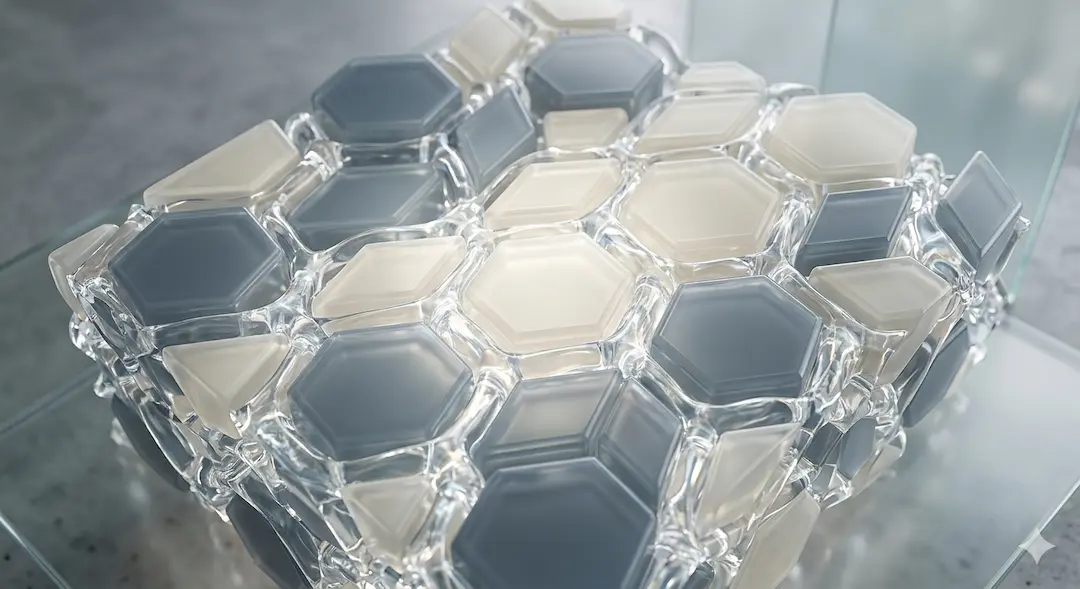
Think of your outermost layer, the stratum corneum (SC), as having a “brick-and-mortar” architecture. It is composed of flattened corneocytes acting as the “bricks” which are held together by “mortar” made of lipid matrix. This structure forms your primary defense against water loss and the entry of outside toxins.
The chemistry of this “mortar” is generally considered to be in a 3:1:1 Ratio. It is strictly dominated by specific ratios: approximately 50% ceramides by mass, 25% cholesterol, and 15% free fatty acids.
Pillar 2: The Acid Mantle (Chemical Barrier & Enzymatic Ecology)
Sitting just on the surface is your acid mantle. Maintaining a surface pH of approximately 4.5 to 5.5 is critical. This mildly acidic range optimizes the activity of natural enzymes (like ceramidase) and suppresses the growth of pathogenic bacteria and fungi while favoring good, commensal flora.
The Big Mistake: The frequent use of harsh detergents, alkaline “fairness” soaps, and aggressive desi totkay (home remedies like raw lemon juice) severely disrupts this acid mantle, leading to barrier leakiness, severe irritation, and a profoundly cranky complexion.
Pillar 3: The Microbiome (Commensal & Postbiotic Barrier)
Your skin harbors a diverse microbiota acting as a “microbial roof” over the physical bricks and mortar. Good commensal bacteria produce antimicrobial peptides that tune your innate immunity literally augmenting your skin’s own ceramide pools.
The Smog Threat: Airborne particulate matter and gaseous pollutants drastically alter this delicate microbiota. Intense pollution of South Asian Cities Such as Lahore and Delhi directly impairs the barrier.
Pillar 4: The Skin-Brain Axis (Stress, Cortisol, and Breakouts)
When you experience psychological stress, your body elevates cortisol (the stress hormone). Cortisol exposure directly disrupts the structure that holds your deeper skin layers together.

🔬 Insight: The Neurocosmetic Revolution
We are no longer defenseless against stress. Neurocosmetics are now formulated to target cutaneous nerve endings to buffer this damage. We look to sophisticated ingredients like Ectoin, a compatible solute from extremophilic bacteria that forms a hydration shell around proteins, reducing irritant-induced inflammation under heavy pollution. We also utilize endorphin-mimetic peptides that decrease cortisol production directly in skin cells.
The SkinBarrierTheory Protocol: Engineering Your Routine
If you want that deeply hydrated “Korean skin” glow, you cannot just layer heavy oils. The core of barrier repair relies on mimicking the physiologic stratum corneum composition.
The Golden 3:1:1 Ratio
Experimental models prove that topical mixtures containing ceramides, cholesterol, and free fatty acids restore the barrier far more effectively than single-lipid formulations.
- A ceramide-dominant 3:1:1 molar ratio (3 parts ceramides: 1 part cholesterol: 1 part free fatty acids) accelerates barrier recovery.
- Note for Mature Skin: For aged skin with chronologically impaired barriers, a cholesterol-dominant 3:1:1 mixture is superior, as it compensates for age-related reductions in natural cholesterol synthesis.
Pro-Tip For Skin Barrier Repair
During smog season, physical anti-pollution strategies are critical. Follow the tips below. Read barrier first skin care routine for deeper dive:
- Gentle Cleansing: Avoid harsh scrubs. Use a syndet cleanser with lukewarm water to remove PM deposits without stripping the acid mantle.
- Neuro-Soothing Serums: Apply a serum containing Ectoin or Bisabolol to calm the cortisol-induced inflammation and support re-epithelialization.
- The 3:1:1 Seal: Lock in the hydration with a ceramide-dominant 3:1:1 moisturizer to counter the high TEWL driven by the dry, polluted air.
- Broad-Spectrum Photoprotection: Never skip SPF, as UV radiation compounds pollution-driven barrier impairment.
Future-Tech Integration: Barrier Analytics in 2026
We no longer have to guess if our barrier is compromised. Transepidermal water loss (TEWL) is the indispensable quantitative marker of barrier integrity; elevated TEWL signifies disruption even before clinical dryness is visible. While clinical trials rely on the gold-standard Tewameter open-chamber systems, 2026 brings the clinic directly to your vanity:
- Wearable Microchambers: Emerging wearable skin analyzers feature breathable microchambers and humidity sensors for prolonged TEWL monitoring, allowing us to track barrier responses to daily environmental shifts.
- AI-Driven Smartphone Analytics: Novel AI models can now estimate TEWL and skin hydration directly from smartphone selfies. By utilizing skin-prior adaptive vision transformers, these tools generate facial heatmaps of your barrier status instantly, paving the way for hyper-personalized teledermatology.
The Future of Geroscience and Longevity Aesthetics
The future of high-end skincare is firmly rooted in longevity aesthetics—a paradigm that integrates geroscience with dermatology to target cellular senescence and chronic inflammation. Barrier optimization is the absolute foundation of this approach.
Beyond the 3:1:1 lipid ratios and Ectoin, the next frontier includes plant-derived exosomes (such as those from Zanthoxylum piperitum), which enhance barrier function by reducing inflammatory markers and boosting procollagen. Paired with AI-driven TEWL monitoring, consumers are now equipped to navigate our intense climate with unparalleled precision.
Frequently Asked Questions
What is Skin Barrier?
The skin barrier is a highly dynamic, four-layered system that acts as your body’s primary interface with the environment. Far from being a simple shield, it is a “neuro-immune organ” that integrates physical, chemical, and biological defenses to maintain cellular resilience.
What is the Acid Mantle?
The acid mantle is a very thin, mildly acidic film on the surface of the skin that acts as a chemical barrier. It is formed by a mixture of sebum, sweat, and beneficial metabolic byproducts from your skin’s microbiome.
The pH Standard: A healthy acid mantle maintains a surface pH of approximately 4.5–5.5. Below this the Dry Skin Range and Above it is the Oily Skin Range.
Enzymatic Ecology: This specific acidity is required to activate enzymes like ceramidase, which help create the lipids needed for your “bricks-and-mortar” structure.
Microbial Defense: It suppresses the growth of harmful pathogens while supporting “good” bacteria like S. epidermidis, which helps your skin stay resilient.
The Danger of Alkalinity: Using harsh soaps or aggressive home remedies (like raw lemon or baking soda) “alkalinizes” this layer. This leads to barrier leakiness, irritation, and a “cranky” complexion because your repair enzymes stop working correctly
How to reduce cortisol for skin barrier repair?
Reducing cutaneous cortisol is essential because this hormone directly downregulates the “tight junctions” that seal your skin cells together. To lower these levels and support your Skin-Brain Axis, follow a neuro-protective protocol:
Implement a Nightly “Neuro-Reset”: Practice short wind-down rituals such as deep breathing, journaling, or prayer to reduce the systemic cortisol surges that impair lipid synthesis and granular layer development.
Prioritize Sleep Architecture: Aim for 7–8 hours of consistent sleep; chronic sleep restriction increases inflammatory markers that manifest as redness, dullness, and delayed barrier healing.
Utilize Neurocosmetic Ingredients: Look for sophisticated topicals like Wild Indigo or Endorphin-mimetic peptides, which are clinically designed to decrease cortisol production directly within skin cells.
Shield with Ectoin: Use compatible solutes like Ectoin to form a hydration shell around cell membranes, buffering the stress-induced inflammation triggered by UV and heavy urban pollution.
Adopt Moderate Exercise: Regular physical activity improves skin perfusion and nutrient delivery, helping to regulate the systemic stress response.
What is the Skin Microbiome?
The skin microbiome is a diverse ecosystem of billions of microorganisms—including bacteria, fungi, and viruses—that live on the surface of your stratum corneum. Often referred to as a “microbial roof,” this living shield performs several critical functions for your barrier health:
Pathogen Defense: Beneficial bacteria (commensals) like Staphylococcus epidermidis produce antimicrobial peptides that prevent the growth of harmful, infection-causing pathogens.
Ceramide Production: Certain microbes secrete enzymes (sphingomyelinases) that actually help your skin produce more ceramides, reinforcing your natural lipid pools.
Immune Tuning: Your microbiome communicates with your innate immune system to promote healthy cell differentiation and calm inflammation.
Postbiotic Support: Microbes produce “postbiotics,” such as short-chain fatty acids (SCFAs), which help maintain the acidic pH of your Acid Mantle.
In urban environments like Lahore, Delhi and Riyadh, high levels of particulate matter (PM2.5) can drastically alter this delicate balance, leading to a “dysbiotic” state that exacerbates acne and sensitivity.
Blogs That Explain Key Concepts in Skin Barrier Repair
Citations
- Feingold KR, Elias PM. The role of ceramides in the disruption of the cutaneous permeability barrier, a common manifestation of skin disorders. J Lipid Res. 2024 Aug;65(8):100593. doi: 10.1016/j.jlr.2024.100593. Epub 2024 Jul 11. PMID: 39002948; PMCID: PMC11348431. https://pmc.ncbi.nlm.nih.gov/articles/PMC11348431/
- JDDOnline Article titled Skin Barrier Insights: From Bricks and Mortar to Molecules and Microbes by Carol A. Bosko PhD https://jddonline.com/articles/skin-barrier-insights-from-bricks-and-mortar-to-molecules-and-microbes-S1545961619S0063X/
- Jeffrey Rajkumar, Neha Chandan, Peter Lio, Vivian Shi; The Skin Barrier and Moisturization: Function, Disruption, and Mechanisms of Repair. Skin Pharmacol Physiol 13 November 2023; 36 (4): 174–185. https://doi.org/10.1159/000534136
- Tharakan, M. and Lonczak, L. (2024) Supporting Skin Structure and Its Barrier Functions with Evidence-Based Skin Care Ingredients. Journal of Cosmetics, Dermatological Sciences and Applications, 14, 200-210. doi: https://www.scirp.org/journal/paperinformation?paperid=133948
- Is 3:1:1:1 the best barrier lipid ratio? By regimenlab https://regimenlab.com/blogs/labnotes/3-1-1-1-ratio?shpxid=751d989e-92cf-4742-bac5-6618a7104599
- Hoon, Lee Sung, Eui Dong Son, Eun-Jeong Choi, Won-seok Park and Hyoung-june Kim. “Stress Hormone Cortisol Damages the Skin Barrier by Regulating Tight Junctions.” Journal of the Society of Cosmetic Scientists of Korea 46 (2020): 73-80. https://www.semanticscholar.org/paper/Stress-Hormone-Cortisol-Damages-the-Skin-Barrier-by-Hoon-Son/d5c2709117f5466556ef7ece13c65abba6632137
ArXiv: AI-driven Remote TEWL Assessment (2025) https://arxiv.org/abs/2509.06282
Leave a Reply