Category: General Skincare Guides

Scientific information about General aspect relating to Skin barrier, its aggressors, important aspect, and barrier repair guidelines.

  • What causes Skin Barrier Damage – Environment or You?

    What causes Skin Barrier Damage – Environment or You?

    What causes Skin Barrier Damage – Environment or You?

    If you want to learn everything about “Skin Barrier” and “How to take care of it“, Read full length articles.

    What Causes Skin Barrier Damage – External Aggressors

    Your skin barrier isn’t just taking care of your looks—it’s fighting an around‑the‑clock battle against its environment since it is under near‑constant environmental pressure.

    While explaining what causes skin barrier damage, this Abstract scientific illustration shows the external skin barrier aggressors and the barrier defenses
    External Skin Barrier Aggressors

    Heat and High Temperature

    • When the temperature rises, your skin reacts. Blood vessels open up to cool you, and you start sweating. But excess heat and sweat raise your skin’s surface pH, upsetting the balance that keeps your barrier strong. The top layer softens, lipids get disturbed, and hydration begins to evaporate in the form of Transepidermal Water Loss (TEWL) – leaving that itchy, stingy feeling we all dread after a hot day.

    Cold and Dry Weather

    • Cold climates – like Canada or Scandinavian winters—bring another challenge. Chilly air narrows the skin’s blood flow, slowing down lipid enzymes that help seal in moisture. Combine that with indoor heating and dry air, and your skin starts losing water faster than it can replace it. The result? Flaky, tight, redness‑prone skin that creams alone can’t rescue.

    Indoor Air Conditioning and Low Humidity

    • That refreshing blast of AC can silently undo your skincare. Low humidity indoors pulls water out of the skin, breaking the seal that keeps it supple. Moving quickly from humid streets to cold, dry offices causes tiny “shock waves” to the barrier, leaving it confused and prone to dullness or irritation.

    UV Radiation (Even Through Haze)

    • Sunlight, even filtered through haze or windows, releases reactive particles inside your skin that chip away at collagen and elasticity. Over time, this stress not only speeds up wrinkles but also messes with pigment balance, especially in medium to darker skin tones.

    Smog, Dust, and Air Pollution

    • Smog isn’t just unpleasant—it’s skin sabotage. Pollution particles mix with sunlight to trigger oxidative stress, eating away at vital proteins like filaggrin and weakening cell “glue.” The outcome? Rough texture, breakouts, and uneven tone—classic city‑skin struggles.

    What Causes Skin Barrier Damage – External Aggressors

    Your barrier is also listening to your bloodstream, hormones, and nervous system. Internal choices can either quietly repair the wall—or loosen every brick. 

    While Covering what causes skin barrier damage, this Abstract scientific illustration shows the internal skin barrier aggressors and the barrier defenses
    Internal Skin barrier Aggressors

    “Doing More” for Skin Care

    • In the race for glass skin, many routines turn into full‑time exfoliating jobs – acids, scrubs, peels, and actives layered without pause. Overuse doesn’t equal glow; it equals confusion. Too many potent formulas strip away proteins and barrier lipids, leaving the skin raw, reactive, and dehydrated. What you see as “purging” is often your skin crying for balance. True radiance comes not from excess, but from restraint – the right actives, at the right rhythm.

    Food, Hormones, and Internal Choices

    • What happens inside reflects outside. Sugary or processed foods raise hormones that fuel breakouts and inflammation. Even dairy can amplify redness and lingering marks, depending on your sensitivity. Balanced meals calm that cascade—and your skin thanks you.

    Hydration Habits

    • Not drinking enough water doesn’t just dehydrate—it dulls. Less internal hydration means less elasticity and comfort on the surface, especially when barrier lipids are low. You’ll notice tightness that even rich creams struggle to relieve.

    Sweat, Movement, and Balance

    • Exercise supports blood flow and delivers nutrients your skin loves. But sweat trapped under makeup or synthetic fabrics can irritate and raise skin pH, leading to bumps and flare‑ups. Gentle cleansing afterward restores balance without over‑stripping.

    Alcohol and Smoking

    • Alcohol may give the illusion of a quick flush, but beneath that glow lies oxidative stress that weakens collagen and elasticity. Smoking adds double damage—grime particles and cellular aging wrapped in one puff.

    Stress and Sleep

    • When stress hits, your body releases cortisol—the “pressure hormone”—which thins your skin’s protective wall and slows recovery. Poor sleep adds more inflammation and more barrier exhaustion. The result: sensitivity that shows up before you even notice.

    Screen Light and Daily Exposure

    • Blue light from your devices doesn’t burn like the sun but acts as a slow‑burner, creating oxidative stress and pigment imbalance over time. Especially for darker skin tones, the combination of UV and device light adds to dullness and uneven patches.

    Tea, Coffee, and Caffeine Culture

    • Coffee and tea—great antioxidants in moderation—but when overdone, they can leave you dehydrated and restless, throwing your nighttime barrier repair off track. Less deep sleep means less restoration and more morning dullness.

    Your skin barrier is a living structure—a wall, a factory, a micro‑ecosystem. Every choice, from the weather outside to the food and light inside, affects how those bricks hold together. Once you understand what weakens or strengthens that wall, you turn protection into power. The next step? Dive deeper into signs of a damaged skin barrier and how to fix it.

    Frequently Asked Questions

    What is skin barrier damage?

    Skin barrier damage is a state of structural compromise in the stratum corneum (the outermost layer of your skin). It occurs when the “bricks” (skin cells) and “mortar” (lipid matrix of Ceramides, Cholesterol, and Fatty Acids) are disrupted. This breakdown leads to an accelerated moisture leakage rate (TEWL) and allows environmental irritants to penetrate the deeper layers of the skin, triggering inflammation, sensitivity, and chronic dehydration.

    What causes skin barrier damage?

    Skin barrier damage is caused by a combination of environmental stressors and improper skincare habits. The most common “aggressors” include over-exfoliation with harsh acids, using high-pH cleansers (soap), and environmental factors like extreme heat or low humidity. These triggers strip away your natural lipids—Ceramides, Cholesterol, and Fatty Acids—leading to increased TEWL (moisture leakage). Additionally, internal factors like chronic stress and lack of sleep can disrupt the “Skin-Brain Axis,” slowing down your barrier’s natural repair cycle.

    How to protect skin from sun and pollution?

    For an Effective Barrier Defense against urban stressors, you must create a multi-layered barrier. First, apply a broad-spectrum SPF 50+ to block UV-induced photodamage. Second, incorporate antioxidants like Vitamin C or Niacinamide to neutralize “oxidative stress” caused by air pollution (PM2.5). Finally, use a 3:1:1 lipid ratio moisturizer to seal the stratum corneum. This prevents pollutants from penetrating the microscopic gaps in your skin and stops the moisture leakage (TEWL) triggered by extreme heat.

  • Is Smoking Really Suffocating Your Glow?

    Is Smoking Really Suffocating Your Glow?

    Smoking and Skin Are Not Friends

    If you want to learn everything about “Skin Barrier” and “How to take care of it“, Read full length articles.

    What Smoking Does To Skin

    Smoking makes the blood vessels in skin tighten, so less oxygen and fewer nutrients reach the skin. It also raises water loss from the skin barrier, which makes skin feel dry, tight, and rough even when it still looks oily on the surface.

    It also speeds up collagen breakdown, which means the skin’s support system weakens over time. That is why lines around the mouth, cheeks, and eyes can become more visible earlier in smokers.

    Why Pigmentation Gets Worse

    Smoke creates oxidative stress, which can make dark patches more noticeable. This often shows up as cheek darkness, under-eye darkness, and darker marks after acne or irritation.

    When smoke is mixed with strong sun, heat, and city pollution, the pigment problem becomes even more obvious. This is why many people notice that their skin looks less even and less bright over time.

    City Life & Smoking and Skin

    In modern urban environment such as that of Lahore or Karachi, smoking does not act alone. It adds to pollution, UV exposure, heat, and dry air, all of which stress the skin further and make aging signs show up earlier.

    This combination can make the skin look older in a “tired and uneven” way even before deep wrinkles appear. The result is often a face that looks dull, rough, and less fresh. If you live in a city that is polluted, dive deeper into effects of pollution & smog on your skin.

    Why Dark Skin Is Not Protected

    A common myth is that darker skin is protected from smoking damage. While melanin does offer some UV protection, it does not stop smoking from damaging collagen, blood flow, hydration, or pigment balance.

    So the damage may look different, but it is still real. Instead of only fine lines, many people see uneven tone, texture change, and loss of radiance first.

    What Helps Most

    The most effective anti-aging step is to stop smoking. No cream can fully undo the ongoing stress smoking causes to collagen, circulation, and the skin barrier if the exposure continues.

    Daily sunscreen, antioxidant serums, and barrier-supporting moisturizers work better once smoking stops, because the skin can recover more efficiently.

    Smoking ages skin in a way that is often more subtle at first, but still powerful and visible over time. It may not always show up as deep wrinkles right away, but it often shows up as dullness, pigmentation, roughness, and faster loss of skin quality.

    Curious what other factors cause damage to your skin, ready the article on Skin barrier Aggressors – because understanding the threats is the first step to lasting glow.

  • Your Worries Show on Your Face.

    Your Worries Show on Your Face.

    Skin and Stress: The Link You Can See In The Mirror

    If you want to learn everything about “Skin Barrier” and “How to take care of it“, Read full length articles.

    The Relationship of Skin and Stress

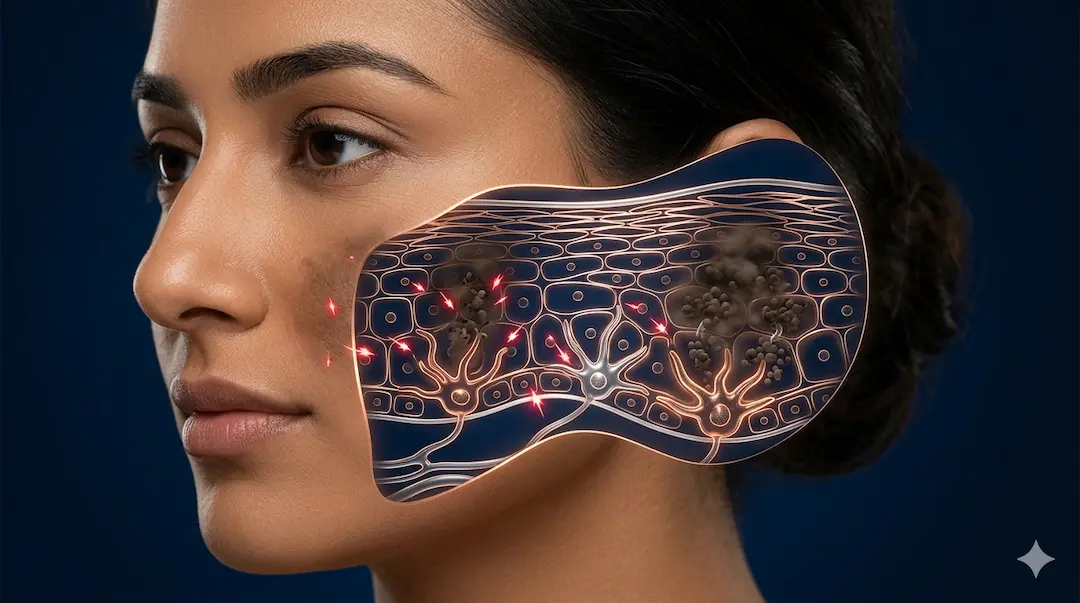
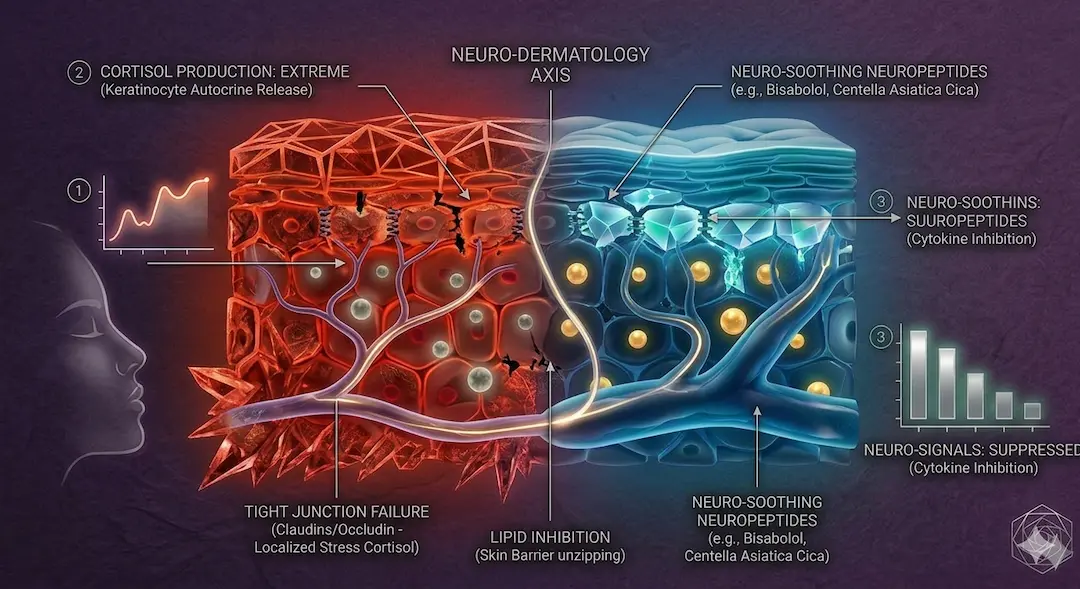
    When stress rises, your body releases more cortisol, and skin cells can also make cortisol locally. Research shows this can weaken the skin barrier by affecting tight junctions, reducing skin repair, and lowering the skin’s ability to hold on to moisture. In plain language, stress can make the skin’s “seal” less secure, so water escapes faster and irritation gets in more easily. Read signs of a damaged barrier here.

    Cortisol is your body’s main “stress hormone” that tells almost every organ how to respond under pressure. It raises blood sugar, controls inflammation, and helps manage blood pressure, but when it stays high, it can slow down collagen production and weaken skin repair over time.

    Stress Can Make Your Skin Age Faster

    Stress does more than make you feel tired, it can make skin look older, too. Chronic stress has been linked with more water loss, slower barrier recovery, and lower production of protective skin lipids, which means the outer layer becomes weaker over time. That can show up as dryness, roughness, fine lines, and skin that takes longer to bounce back after irritation.

    What Your Skin Starts To Do

    When stress is high, some people notice more redness, stinging, flaking, or skin that suddenly reacts to products that used to feel fine. Others notice more breakouts or a dull, tired look because the barrier is not keeping moisture in properly. That is why stressed skin often feels both irritated and dehydrated at the same time.

    The Calming Ingredients That Help

    The best skincare move for stress‑affected skin is to keep the routine gentle and use soothing ingredients that support the barrier. Centella asiatica and bisabolol both have research showing anti-inflammatory and calming benefits, and Centella may also help improve hydration and barrier function. These ingredients do not erase stress, but they can help skin feel less reactive while it repairs.

    Why Simple Routines Work Better

    When skin is stressed, too many active ingredients can make the problem worse. Strong exfoliants, harsh cleansers, and aggressive treatments can add more irritation when the barrier is already under pressure. A simpler routine with gentle cleansing, barrier-supporting moisturizer, sunscreen, and a soothing serum usually works better than piling on more steps.

    Sleep, Recovery, and Skin

    Sleep matters more than most people realize because stress and poor rest both slow skin repair. Studies have linked poor sleep and anxiety with weaker barrier function and higher water loss, which means nighttime recovery is a real part of skin health. So if your skin looks worse after a rough week, it may be reacting to your body’s overall stress load.

    Stress does not just live in your mind—it can show up in your skin through dryness, redness, breakouts, and slower healing. The good news is that once you understand the skin-brain connection, you can support your barrier more intelligently with calming ingredients and gentler habits.

    If you suspect barrier damage, read the daily skin care routine for a damaged barrier.

  • Is Your Skin Care Routine Winning Against Smog-Aging?

    Is Your Skin Care Routine Winning Against Smog-Aging?

    Smog‑Aging: The City Skin Crisis

    If you want to learn everything about “Skin Barrier” and “How to take care of it“, Read full length articles.

    How Smog-aging Changes Your Skin

    In cities like Lahore, Delhi, Beijing, or Los Angeles, pollution is often treated like a regular part of life, but the skin takes a daily hit. Fine particles like PM2.5 are tiny enough to sit on the skin surface and even mix with sweat and oil, which can irritate the barrier and trigger more inflammation.

    This constant exposure can make skin feel dull, rough, and more reactive, especially in people who already have dry or sensitive skin.

    Why Smog Speeds Up Aging

    Smog does not just make air quality worse — it also makes skin age faster. The tiny particles and gases in smog create oxidizing stress, which can damage collagen and other support structures in the skin. When your skin loses structural support, it can show early signs of loss of firmness, fine lines, and slower healing.

    How It Affects Different Skin Types

    In areas with strong pollution, both dry and oily skin can be affected. Dry skin may feel tighter and rougher, with more visible flaking and irritation. Oily or acne‑prone skin can experience more clogged pores, breakouts, and uneven texture from the mix of pollution and sebum on the surface.

    The Barrier Is Under Siege

    Your skin barrier is designed to protect you from the world around you, but constant pollution exposure can weaken it over time. When this happens, water escapes faster and irritants get in more easily, which is why many people feel dry, tight, or stingy when using products that once felt fine.

    How To Fight Back: Skin Care Tips

    The best way to protect your skin from smog‑aging is to support your barrier and protect it from daily stress. Use gentle cleansers, antioxidant serums, and barrier‑supporting moisturizers that contain ingredients like ceramides, niacinamide, or ectoin, which can help shield your skin from pollution and oxidative stress.

    Daily broad‑spectrum sunscreen is also important, because UV plus pollution can make aging signs appear faster.

    Smog‑aging is real, but it is not unstoppable. By understanding how pollution affects your barrier and choosing the right ingredients, you can protect your skin from the inside out. The goal is not to live in a bubble — it is to give your skin the tools it needs to withstand the city.

    For all those living in polluted and smog infested cities, learn the signs of barrier damage and a barrier first daily skin care routine.

  • “Your Skin Barrier: Built Like a Wall, Not a Sponge”

    “Your Skin Barrier: Built Like a Wall, Not a Sponge”

    What is Skin Barrier – And Why is it Important for You.

    If you want to learn everything about “Skin Barrier” and “How to take care of it“, Read full length articles.

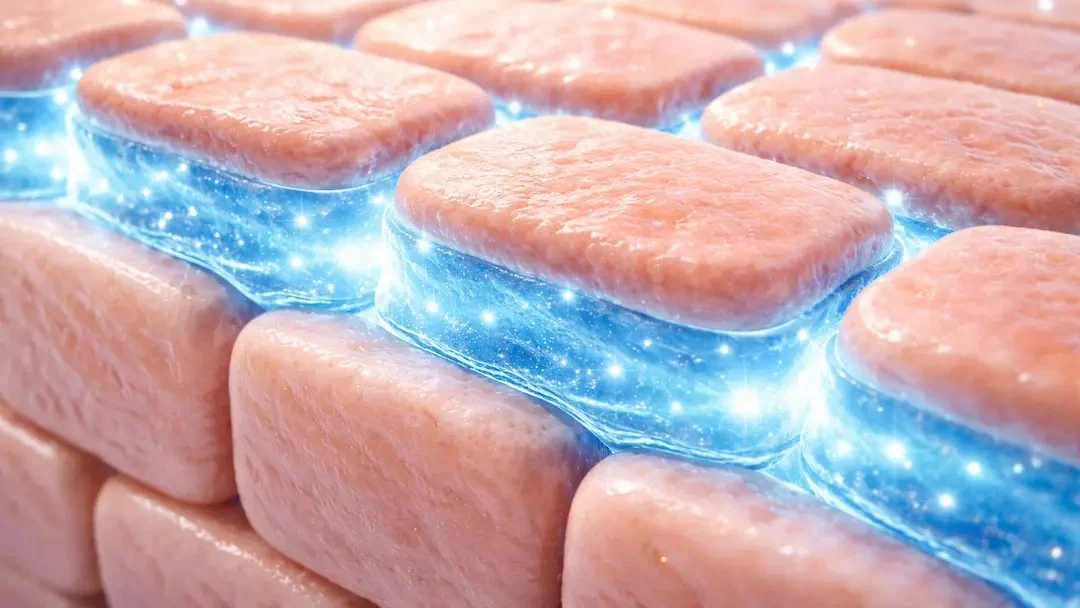
    Imagine your skin’s outer layer like a wall made of tiny bricks. Each brick is a flat, dead skin cell packed with Keratin—a tough, protective protein—and another helper called Filaggrin. Filaggrin’s job is to pull keratin fibers together, giving each cell strength and firmness, just like compact bricks in a wall.

    Now, that wall needs mortar to hold everything in place. In your skin, the “mortar” is a mix of barrier lipids— ceramides, cholesterol, and fatty acids—that fill the gaps between the cells. These healthy fats keep the surface sealed, smooth, and flexible, helping your skin stay strong and hydrated.

    These are the protein “staples” that lock the bricks together. If you over-exfoliate, you aren’t just “brightening”—you are physically snapping these rivets, leading to a structural collapse we call barrier failure.

    On top of your skin lies a delicate layer called the acid mantle—a super thin film made from your natural oils (sebum) and sweat. It’s slightly acidic, with a pH between 4.5 and 5.5, and that acidity acts like a bodyguard. It keeps harmful bacteria like Staph aureus out while supporting the “good guys”—the friendly bacteria that help your skin stay balanced and healthy.

    That gentle acidity also works as your skin’s repair switch. Many repair enzymes, like sPLA2 and β-glucocerebrosidase, can only do their healing work in an acidic environment. So when you wash your face with a high-pH or alkaline cleanser, you’re not just removing dirt—you’re actually turning off your skin’s self-repair system.

    Healthy, youthful skin can bounce back from a pH disturbance thanks to its strong buffering ability, quickly returning to its normal acidity. But over time, factors like urban pollution and stress—especially in cities like Lahore—slow that recovery. When the acid mantle can’t rebound, the skin stays vulnerable, dry, and more prone to irritation.

    We now know that skin isn’t “sterile” or squeaky clean—and that’s actually a good thing! Your skin has a microbial roof, a living layer made up of friendly bacteria like Staphylococcus epidermidis. These little residents sit on your surface and help protect you every day.

    Think of these microbes as your skin’s tiny engineersS. epidermidis isn’t dirt—it’s like a mini factory that helps your skin produce natural ceramides, the fats that keep your barrier soft, smooth, and hydrated. So instead of stripping them away, it’s better to care for them.

    When your microbiome is healthy, it acts like an active shield. Your skin creates its own natural antibiotics, called cathelicidins and defensins, to fight off harmful bacteria. By feeding your microbiome with postbiotic ingredients, you’re strengthening your skin’s defense system—helping it stay calm, balanced, and resilient from within.

    the Image explains what is skin barrier and how it is composed of bricks (keratin) and mortars (ceramides, cholestrol, and fatty asicd. )

    When you understand how your skin truly works, you start caring for it in a smarter way. You choose cleansers, exfoliants, and moisturizers that work with your biology, not against it. The result? Skin that heals faster, stays hydrated longer, and feels naturally balanced. It’s amazing how a little science can transform your routine – so what happens when daily stressors start breaking that balance? Let’s explore the hidden factors hurting you skin barrier in next read.